Coincidence, synchronicity, probability, meaning, and pattern recognition
The Art of Coincidence: Pattern, Meaning, and the Stories We Tell Ourselves
The same event can support three explanations
Coincidence sounds simple until it happens to you. Two unrelated events line up, the timing feels almost impossible, and suddenly “just random” seems like an explanation that leaves something out.
There are at least three ways to understand such moments. One is divine intervention: someone or something has guided events toward a particular outcome. Another is ordinary probability. With enough people, decisions, encounters, and passing moments, unlikely combinations are bound to occur. A third possibility is synchronicity, a meaningful coincidence that feels like a message without an obvious chain of cause and effect.
The event itself may not tell us which explanation is correct. A missed appointment might be ordinary bad luck until we learn that something dangerous happened where we were supposed to be. Then the delay becomes protection. But did the event change, or did the story surrounding it change?
When chance feels like protection
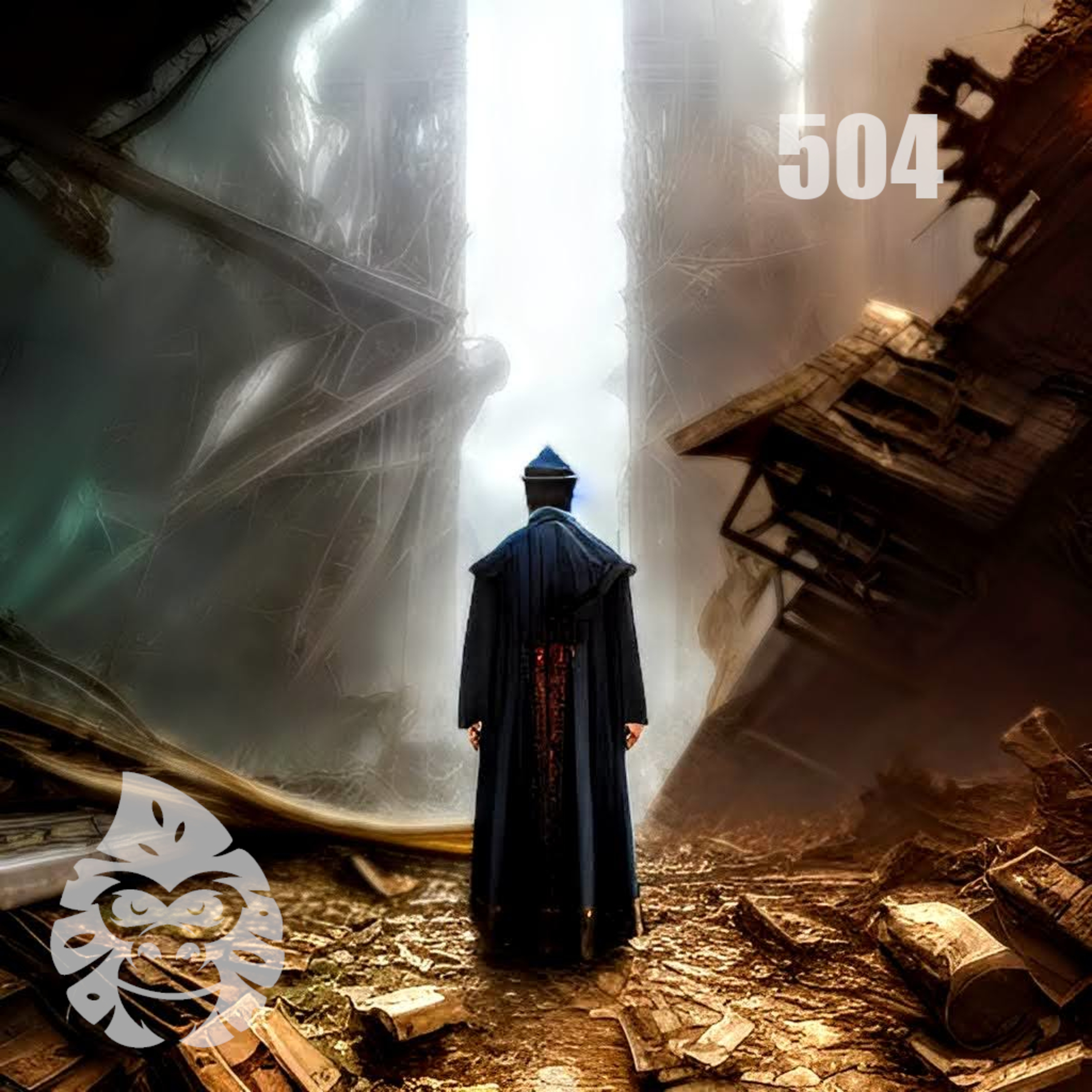
Some of the most compelling coincidence stories involve narrowly avoided danger. One account describes a chaplain visiting an abandoned seminary and returning to the room where he once stayed. Before entering, his pager went off. He left to investigate, only to discover that the message had apparently been sent by mistake. During the few minutes he was gone, part of the building collapsed, including the room where he would have been sitting.
The chaplain understood the interruption as divine protection. That interpretation is easy to understand. The difference between safety and catastrophe appeared to depend on an irrelevant message. Another account describes a woman who changed her usual evening routine while preparing her house for sale. Plaster fell from the ceiling onto the chair she normally occupied, but she had gone into the kitchen instead.
Even if every detail of these stories is accurate, the outcome and its explanation remain separate questions. The stories establish that an interruption preceded a dangerous event, assuming the accounts are reliable. They do not independently establish what caused the timing. Divine protection is a possible interpretation, not a conclusion demonstrated by the coincidence itself.
There is also a quieter problem. How many similar interruptions happen without saving anyone? Those moments rarely become stories. We remember the delay that mattered and forget the hundreds that led nowhere. A coincidence becomes especially memorable when we can connect it to an outcome.
The coincidences only one person would notice
Not every coincidence involves danger. Some are small, oddly specific, and almost impossible to explain to someone else without hearing yourself say, “You had to be there.”
Kurt recalls two separate jobs in which he dated women whose birthdays matched the dates he had started those jobs. Neither match necessarily pointed toward anything beyond itself, but the repetition made the pattern harder to dismiss. In another case, an uncommon first name remembered from a photograph later appeared with a matching surname on work clothing he was processing. The connection felt arranged, even though there was no obvious mechanism behind it.
These experiences expose the difference between personal significance and statistical improbability. An unusual name feels more meaningful than a common one. A repeated match feels more meaningful than a single match. But calculating how unlikely either event really was would require more information than the memorable details provide. We would also need to account for all the dates, names, and possible connections that passed by without producing a match.
Personal meaning does not wait for that calculation. Recognition happens immediately: I know that name. I remember that date. What are the chances? The mind is very good at detecting relationships, but it is not automatically good at determining whether those relationships were predicted in advance or noticed afterward.
When the world seems to answer
Timing can turn an ordinary event into something that feels like a response. A beam of sunlight lands on a trail sign just as you consider taking that route. A radio plays the same song, at the same point, that you are already singing. Two bald eagles appear near the end of a trip, giving the day an ending that feels almost written.
Each event has an ordinary possibility behind it. Sunlight moves through openings in the trees. Songs repeat on the radio. Eagles appear where eagles live. Yet those explanations do not fully describe the experience of being there at that particular moment.
A person brings a mood, a question, a memory, or an expectation to an encounter. When something outside them suddenly matches what is happening inside them, the connection can feel profound. That is what makes synchronicity such an appealing idea. It gives a name to meaningful coincidence without requiring an obvious physical connection.
Carl Jung is associated with the distinction between ordinary coincidence and more personally meaningful synchronicity. The concept can describe the experience without settling its cause. Whether meaning comes from a higher power, the structure of reality, or the observer remains an open question.
Why a good story feels like an explanation
In fiction, an unlikely encounter usually matters. The stranger at the bar returns later. The overlooked detail becomes a clue. The song playing in the background foreshadows what happens next. An author can make every coincidence part of a larger design.
Life supplies plenty of similar moments, but it does not come with an author’s explanation. We build the connections ourselves, sometimes while events unfold and sometimes years afterward. Once we know the ending, earlier details can appear to lead inevitably toward it. A wrong turn becomes the reason we met someone. A canceled plan becomes the first step toward a new life.
That does not make the resulting story false. It means that a satisfying narrative is not, by itself, evidence of an underlying plan. The details may be accurate while the sense of inevitability is produced by hindsight. This is one reason coincidence stories can be both emotionally powerful and difficult to verify.
A message, or a moment worth keeping?
If coincidences really are messages, they raise difficult questions. Who sends them? How would we distinguish a message from an accidental match? If we ignore one, does another arrive? And how much freedom do we have if circumstances are being arranged to steer us toward a particular choice?
Those possibilities are fascinating, but they need more than a powerful feeling to become reliable explanations. A pattern noticed afterward is different from one that consistently predicts what will happen next. Prediction gives an interpretation something to test. Without it, nearly any outcome can be fitted into a story after the fact.
Probability does not strip an experience of its value. An unexpected encounter can change your life even if nobody arranged it. A perfectly timed song can help you through a difficult day without having been sent for that purpose. The useful distinction is between what happened, what it meant to you, and what supports your explanation. Those things can overlap, but they are not interchangeable.
Perhaps the most interesting thing about coincidence is how it leaves us suspended between possibility and certainty. Something happened. It caught our attention. It felt meaningful. Whether the universe was speaking, or we found a story in its noise, is the part we are still trying to understand.